A low airfare is easy to compare because it arrives as one number. A bag has three dimensions, a weight and several opportunities to change that number. Before deciding which ticket offers better value, I would price the journey with the luggage that is actually coming along. That small step can make a seemingly simple comparison much more honest.
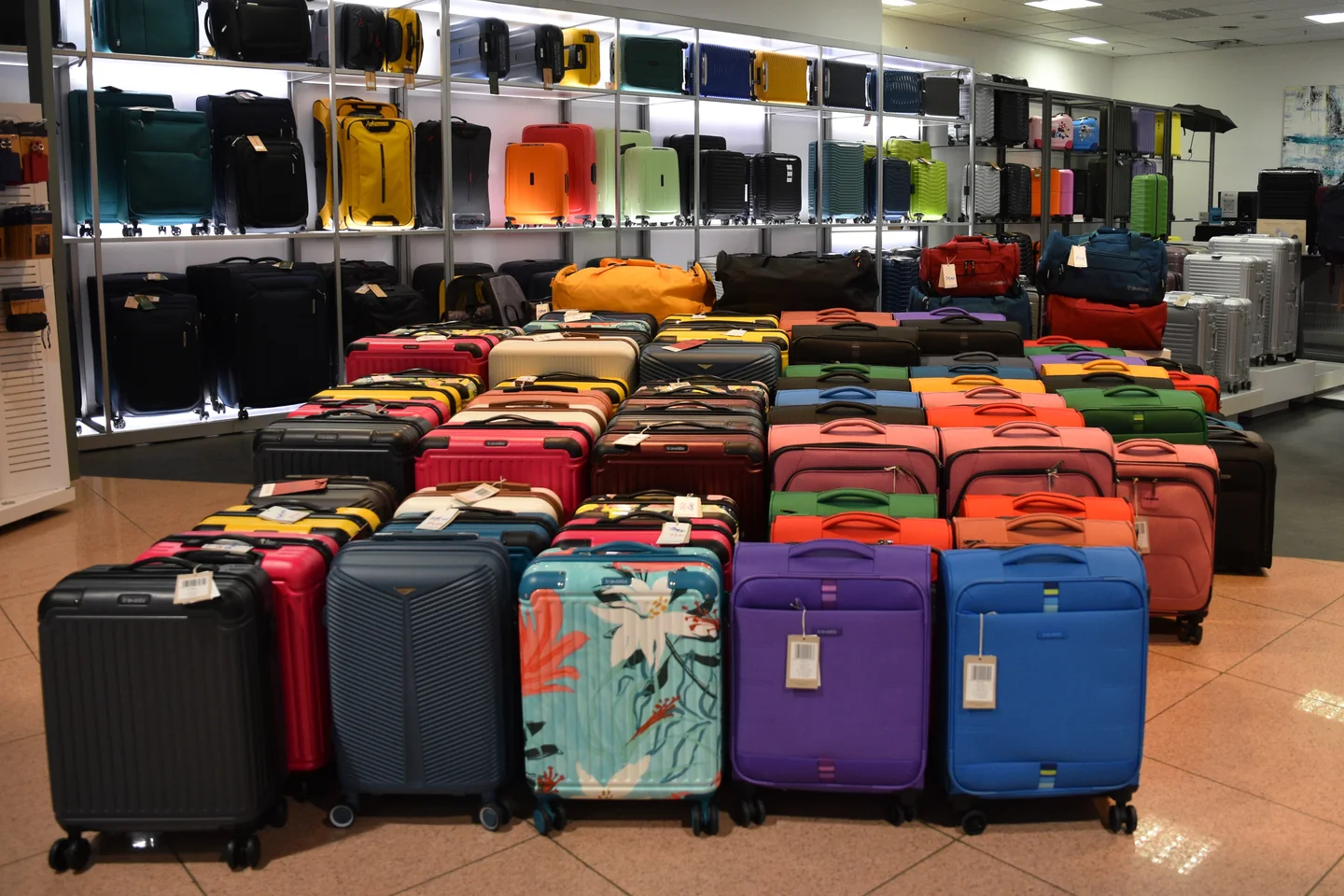

There is no universal cabin-bag promise
IATA explains that carry-on allowances can vary with the airline, cabin class and aircraft type. Its general guidance is not an allowance attached to every ticket. The airline’s current conditions for your booking are the practical reference, especially when different carriers operate different parts of the journey.
Distinguish a small personal item from a larger cabin bag. A fare may describe them separately, and a suitcase advertised as cabin size is not proof that it qualifies for your flight. The useful details are the permitted dimensions, any weight limit, the number of pieces and whether the item is included in the fare you selected.
Measure the packed bag at its widest points, including wheels and handles where the airline’s rule requires them. A soft bag that expands when filled can differ from its empty measurements. Keep the units consistent: an inch equals 2.54 centimetres, but rounding a measurement should not be used to pretend that an oversized item meets a limit.
Price the bag across the complete journey
Take an illustrative return trip. Fare A costs $120 before baggage and requires a $25 bag option in each direction. Fare B costs $155 with the needed bag included. Assuming all other relevant conditions are equivalent, the totals are $170 and $155. The second fare is $15 cheaper for that particular plan. These are invented comparison figures, not current airline prices.
Now change the travel plan. If you can comfortably use only the included personal item, Fare A may again be the less expensive option. The point is not that bundled fares are always better. It is that the answer depends on the luggage and conditions you will use, rather than the lowest headline price.
For a connection, check each operated flight and the booking’s baggage terms. Do not assume that the allowance shown beside the first leg automatically describes every leg. Fees can also depend on when and how an option is added, so compare the final booking amounts rather than relying on an old screenshot or another traveller’s experience.
Leave seat choices and other paid options visible in the comparison if they matter to you. A price advantage can disappear when two fares are being compared with different essentials included. Equally, there is little benefit in buying a bundle of extras simply because their combined advertised value looks impressive.
Give the practical details a final check
Before payment, keep a record of the fare conditions and the baggage option you selected. Before departure, check the airline’s current instructions again, pack within the relevant limits and review the separate rules for items such as liquids and batteries. Baggage size, security restrictions and dangerous-goods rules answer different questions; satisfying one does not settle the others.
The same method is useful for shopping for a new suitcase. Start with the journeys you expect to make and the allowances that apply, then compare bags. Buying a large case because it promises more capacity is an odd saving if the extra space repeatedly creates a fee.
I would rather make the luggage decision at a desk than at a crowded gate. A few minutes spent matching the booking, the bag and the complete price leave less of the trip dependent on an assumption that was never checked.
The fare that fits your actual bag
Use the allowance attached to your actual booking and compare the final price with the bag you need on every leg.
Does a suitcase sold as cabin size work on every airline?
No universal retail label guarantees acceptance. Compare the packed bag’s dimensions, weight and piece count with the rules for the airline and fare you booked.
Sources & further reading
Source material reviewed Sep 6, 2026. These links support the factual background. Worked examples and editorial interpretations are identified in the text.
Join the conversation
What would you add, question or explain differently? Please discuss the idea and respect the person.
Comments are screened for spam and abuse. Some are held for review. We store your comment and a daily security identifier; see privacy. Keep personal contact details out of your comment.